

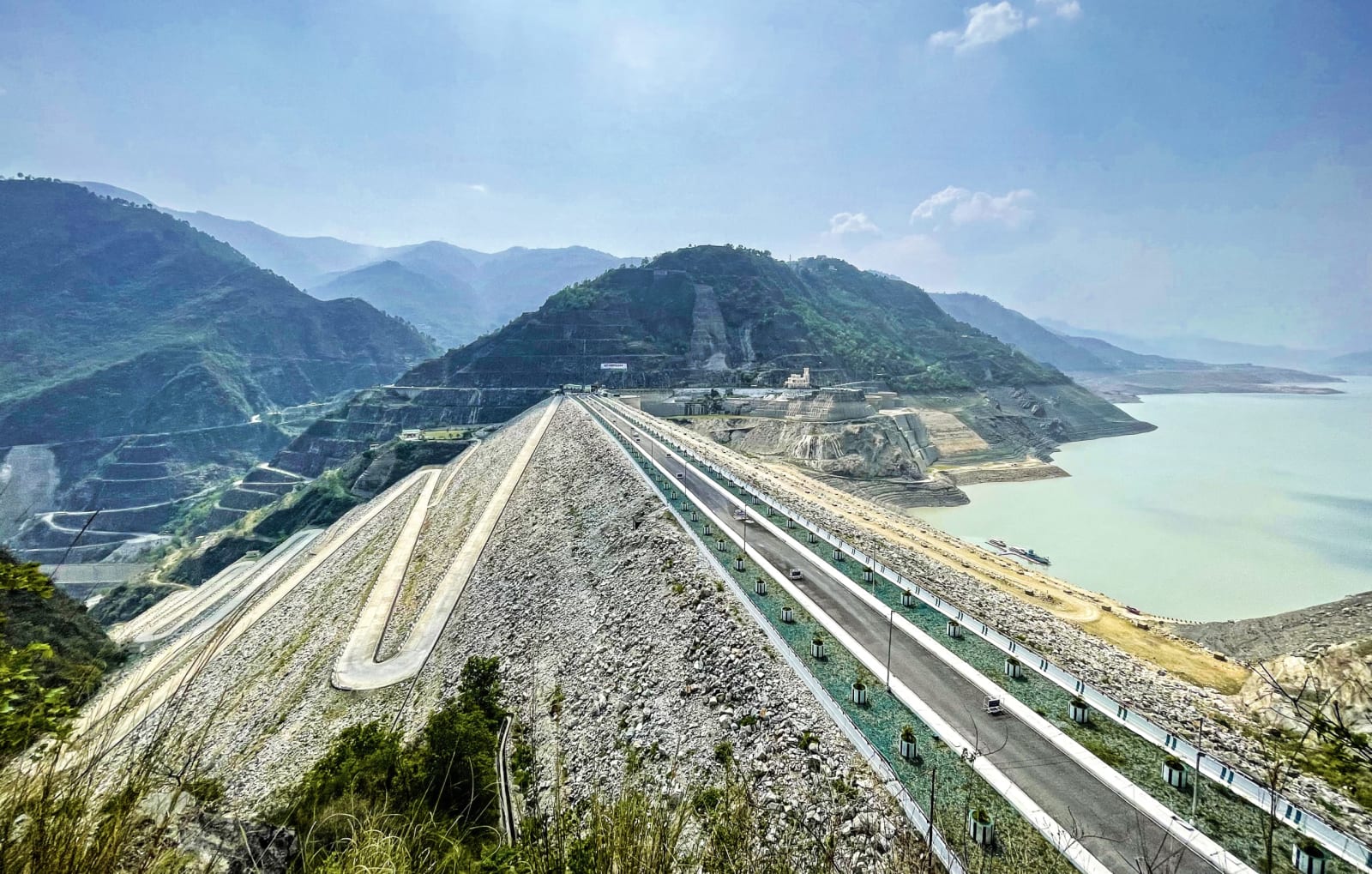
See slow change
Long-term trends in settlement, tilt or seepage pressure become visible and measurable.
Structural Monitoring
Continuous monitoring of buildings, dams and tunnels to track movement, stress and long-term performance.
Buildings, dams and tunnels change slowly and are difficult to observe directly. Permanent or temporary instrumentation records movement, tilt, strain and pressure over time, giving owners an evidence-based view of structural condition and early warning of unexpected behaviour.
Buildings, dams and tunnels deform slowly and are hard to observe directly. Instruments that record tilt, movement, strain and water pressure give a picture of how the structure and the ground around it are behaving, during construction and throughout their service life.
Long-term trends in settlement, tilt or seepage pressure become visible and measurable.
Track nearby structures while excavation, piling or tunnelling is under way.
Confirm that strengthening or repair work is performing as intended.
Agreed alert thresholds tell everyone when to look closer and when to act.
Identify what could move, by how much, and what a warning level should be.
Tiltmeters, extensometers, piezometers, load cells and crack meters as required.
Install, calibrate and record initial readings before work or loading begins.
Compare readings with expected behaviour and report trends to owners and consultants.
Either. Construction-stage monitoring is often temporary; ageing dams and critical buildings are commonly monitored for the long term.
Automatic systems transmit data to a web dashboard; manual instruments are read on scheduled visits.
Tell us about your project — our engineering team will follow up on scope, instrumentation and approach.