

Real behaviour, measured
Deflection and strain under known load replace assumptions with facts.
Structural Testing
Controlled loading of bridge spans to verify actual load-carrying behaviour against design expectations.
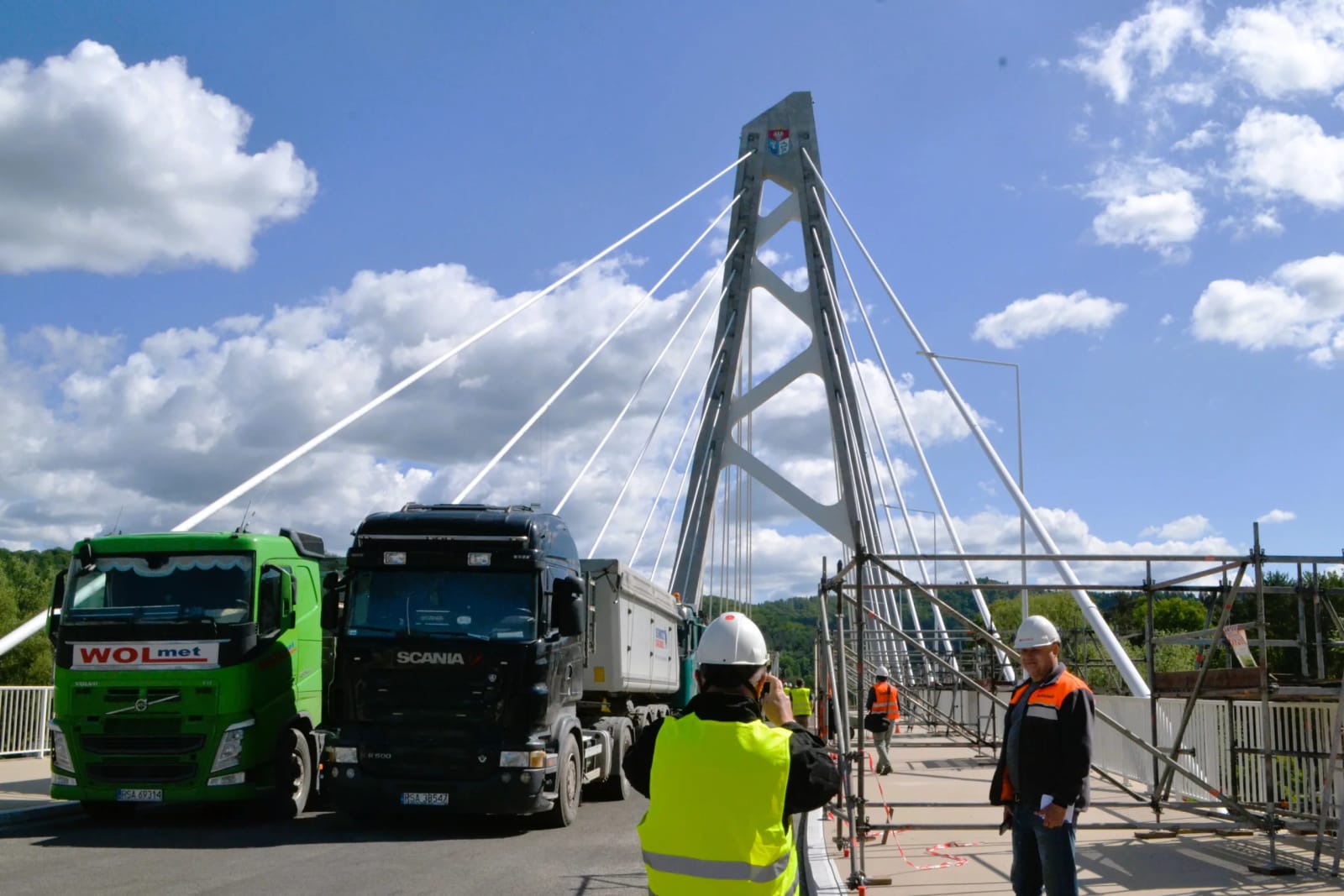
In a bridge load test the span is loaded in a controlled way while deflection, strain and other responses are measured. The results show how the structure really performs and support decisions on load rating, rehabilitation or continued service.
A load test applies a known load to a bridge and measures how it responds. The result shows real stiffness and load-carrying behaviour, which is often the most reliable way to confirm a new bridge, or to justify keeping an older one in service.
Deflection and strain under known load replace assumptions with facts.
Evidence for opening new bridges or retaining ageing ones without unnecessary strengthening.
Measured response helps refine structural models for future assessment.
Loading is applied in stages with monitoring and defined stop criteria.
Define load positions, load levels, instrumentation and acceptance criteria.
Fit deflection, strain and temperature sensors at the critical sections.
Apply, hold and remove load in steps while recording the response.
Compare measured with predicted behaviour and issue the test report.
No. Loads are increased in stages within agreed limits and stopped if response deviates from expectations.
Usually the bridge or the tested span is closed to normal traffic for the duration of the test.
Tell us about your project — our engineering team will follow up on scope, instrumentation and approach.